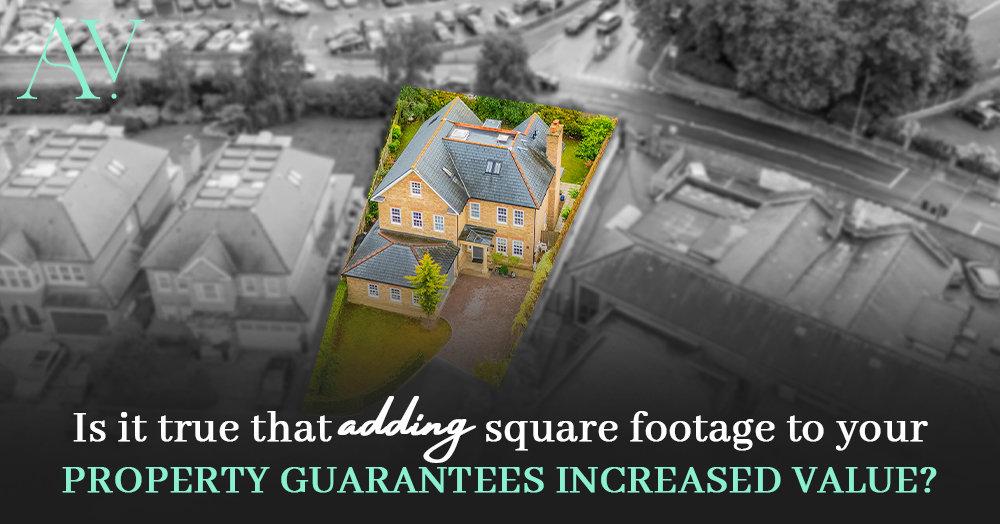
Is it true that adding square footage to your property guarantees increased value?
Investing in a property extension can increase your home's value—but it’s not guaranteed. Success depends on balancing costs and ensuring the extension enhances your property. Here’s what you need to know:
Balance Your Budget 💰
- A well-designed and well-finished extension usually adds value.
- Overspending can reduce potential profits, while cheap finishes may negatively affect quality and appeal.
Impact on Value 📈
- Extensions can increase both size and desirability if done thoughtfully. Poorly planned extensions, however, may reduce appeal and even value.
- Nationwide research shows extensions on a typical three-bedroom home can add up to 23% to property value, equating to a £64,860 increase on the UK average house price of £282,000 (2024 figures).
Costs to Consider 🔨
- The average UK extension costs between £45,000 and £75,000.
- Major expenses include groundwork, foundations, and structural work—critical for long-term success. Avoid cutting corners here, as cosmetic upgrades like tiles can be changed later.
Plan for the Future 🏡
- Even if it’s your 'forever home,' consider resale value to maintain equity.
- Don’t overspend on fittings and finishes at the cost of structural quality.
Expert Advice 🤝
- Struggling to decide between extending or moving? Consult a property expert to evaluate your home's current and potential value
By carefully managing costs and focusing on quality, extending your home can be a rewarding and valuable investment.