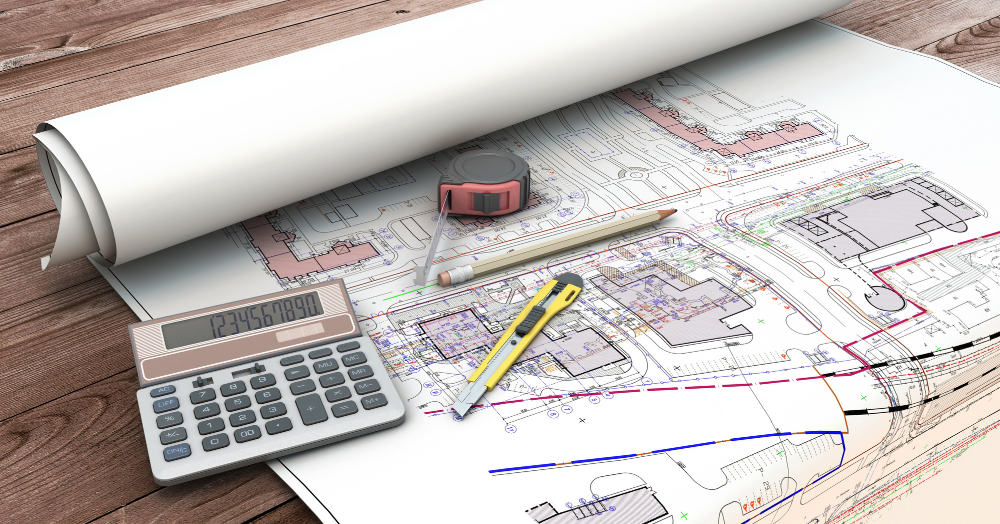
Uncover the secrets that you need to know before extending your home
With uncertainty in the property market and, quite frankly, the world, you, like many people, may have decided that you'll not move house just now.
After much deliberation and possibly even valuations on your property, you've decided that you're going to stay put.
But you must've had reasons for thinking about moving in the first place, right?
House moves usually happen because the seller needs more or less space or a change of location.
Of course, if you need to reduce the size of your property, this is not usually a time-pressured decision. I'm sure you could stand to live in a property that's a bit too big for another year, whilst you make up your mind.
And unfortunately, if the location of your current home is no longer right for you, you can't change it without moving. So, you will probably need to move unless you decide that you can put up with a long commute or slightly more travelling for a bit longer.
But, what if you need more space?
It may be possible to add to your current home, either with an extension or a loft conversion.
After all, your initial concerns about your property being too small won't change.
The only way is to make the property bigger.
By increasing the square footage of your property, you can add the room that you need without having to sell up.
But what is involved in extending your home?
Where do you even start?
What do you want to change?
First, you need to know what you need to change about your home.
What alterations do you need to make to get the desired end result?
Do you need more bedrooms or more living space?
Discussing the property with an architect is the best place to start?
An architect will look at the property as it stands now and assess what you need and how the property will flow for you and your family.
They take into account how you live in the property. Do you need a spacious hallway for coats, boots, and pushchairs?
Perhaps you like to cook, and everyone in your family sits down for a family meal each night. This would mean that you need a space for a proper dining table, big enough to seat every family member.
They can shed some light on the potential alterations that could be made to the property to achieve what you want.
And show you some of the possibilities with the layout design?
Planning permission or permitted development?
Next, you need to consider whether your ideas for the property will require a full planning permission application or fall under the permitted development rules.
Your architect should guide you with this, and then you will know if you need to submit the plans for planning permission or not.
Application fees?
Of course, there will be fees to the architect for designing the extension for you.
But there are also fees to pay to the Local Authority when you submit your planning application.
This fee can vary depending on which location you are in. Double-check with your local authority beforehand, so there are no surprises.
Quotes for the work to be carried out?
Once you have a design to work off, you can look for quotes from builders to do the work.
They can use the architects' plans and work out how much your project will cost to complete. They will include materials, as well as labour, in their quote.
And where are you finding the funds to do all of this work?
The obvious answer is savings. If you have savings, you can invest those savings into your property to increase the size and prevent you from needing to move house.
But, the average Brit has only £6,757* in savings.
Sadly, this wouldn't be enough to get started with an extension.
But, with the housing market increasing over the last year, you're likely sitting on more equity in your home.
Perhaps you could remortgage your property to pay for the extension?
And the extension will add even more value to your home!
So, in many ways, you could argue that the extension would be FREE!
Of course, there will be additional monthly interest to the mortgage lender, but the increased value of your home should cover the cost of the work!
That sounds like a no-brainer, right?!
All that you need to think about is what you'll do with all that extra space!
If you've recently extended your home or plan to, get in touch.
We'd love to see the work you've done, and I'm sure you're interested in how much you have increased the overall value of your home!